
Bangor Jet Crash Lessons for Wrongful-Death Investigations
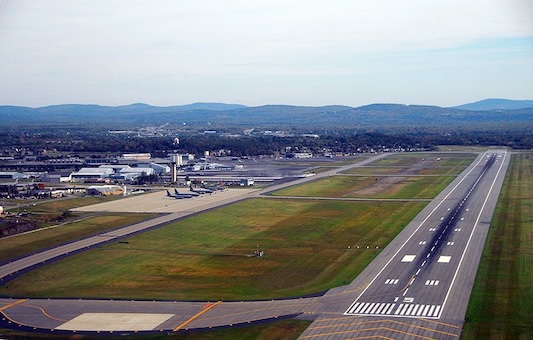
A winter departure can look routine right up until it doesn’t. In late January 2026, a Bombardier CL-600 business jet crashed during takeoff at Bangor International Airport after stopping for fuel and de-icing, killing everyone on board. In the days that followed, investigators faced a familiar challenge in Maine: deep snow, freezing temperatures, and time-sensitive evidence that can disappear as fast as a storm moves in.
For families, that reality carries a hard truth: an aviation wrongful death investigation does not wait for grief to pass. Critical records get overwritten, equipment gets re-tasked, and snow removal turns a scene into a moving target. The Bangor plane crash wrongful death headlines underscore why early evidence preservation matters—and why it helps to understand who controls what during a winter departure.
Winter departures create a chain of custody problem
Aviation accidents often involve multiple layers of control at the same time:
- Aircraft operator / flight department / charter company controls scheduling, crew qualifications, dispatch decisions, and the “go/no-go” call.
- Crew controls checklists, pre-takeoff inspections, taxi decisions, and final verification that the aircraft can safely fly.
- Maintenance providers control inspection quality, repairs, logbook entries, parts tracking, and compliance with airworthiness directives.
- Airport and ground service providers control plowing, ramp treatment, de-icing staging, equipment assignment, and documentation of services performed.
- Air traffic control controls clearances, sequencing, and communications that can affect taxi time and takeoff timing.
During winter weather, the handoffs between those groups become the story. Bangor’s airport statement confirmed that the jet received fuel and de-icing services before the crash. Investigators will naturally examine not just whether de-icing occurred, but when, how, and what happened next—including how long the aircraft sat, how long it taxied, and what precipitation fell in the meantime.
De-icing records often decide the early questions
De-icing does not work as a blanket “all clear.” It works as a time-limited process with variables: fluid type, mixture strength, temperature, precipitation, and elapsed time before takeoff. The FAA publishes seasonal holdover-time guidance to support planning, and the 2025–2026 holdover tables emphasize that these guidelines support departure planning and connect to required pre-takeoff checks.
At Bangor, BGR Aviation advertises 24/7 de-icing with Type I and Type IV fluids and multiple de-icing units. In a wrongful-death investigation, the key issue often isn’t “did the airport have the capability?” It’s “what did the team do that night, and what did the crew see and verify before rolling onto the runway?”
Evidence that frequently matters in winter cases includes:
- De-icing work orders and time stamps (start/stop time, truck ID, operator name)
- Fluid type(s) and mixture ratio, plus batch/lot identifiers
- Weather snapshots tied to the exact service times (temperature, precipitation type/intensity)
- Pre-takeoff contamination check documentation (who verified, what method, when)
- Ramp or de-icing-pad video (if cameras covered the service area)
- Communications between crew, dispatch, and ground handling about delays or re-sprays
The FAA’s “clean aircraft” guidance places ultimate responsibility on the pilot in command to ensure the aircraft stays free of frozen contamination at takeoff—often through direct verification or verification from trained ground personnel. That responsibility does not eliminate other parties’ duties, but it frames the questions investigators ask about process, timing, and verification.
Maintenance logs and “paper trails” matter more than the wreckage
Winter conditions can delay access to the crash site and complicate recovery. When that happens, investigators often lean heavily on records that exist away from the runway:
The NTSB’s process description highlights on-scene and off-scene fact gathering, including items such as flight logs, maintenance records, and interviews. Those records can reveal patterns—recurring write-ups, deferred maintenance, recent component changes, or inspection gaps—that may not show up clearly in fire-damaged debris.
In an aviation wrongful death investigation, counsel often sends immediate preservation demands for:
- Aircraft logbooks and maintenance tracking reports (including electronic systems)
- Recent inspection and repair invoices
- Minimum Equipment List (MEL) deferrals (if applicable) and resolution history
- Airworthiness directive compliance evidence and service bulletin records
- Component serial/part number traceability for critical systems
- Crew training files, duty/rest logs, and cold-weather procedures
- Dispatch, risk assessment, and operational control documentation (especially for charter operations)
“Who controls what” at Bangor during a storm?
Bangor’s own materials emphasize robust snow-removal capability and airfield equipment. In practice, runway and taxiway conditions can change minute to minute. A winter departure investigation will typically map the timeline across multiple controllers of information:
- The airport’s snow-removal and treatment logs (what equipment ran, where, and when)
- Runway condition reports/communications and notices affecting operations
- Ramp condition documentation (especially if the aircraft staged away from the runway)
- Ground-handling records (fueling, towing, GPU use, pushback, de-icing)
That map helps investigators evaluate whether timing and coordination created risk—for example, if a long ground delay pushed the aircraft beyond a safe window, or if a last-minute change in sequencing extended taxi time after de-icing.
How NTSB and FAA investigations intersect with civil claims
The NTSB leads aviation accident investigations and controls the fact-finding process under federal investigation procedures. The agency’s own manual explains that investigations aim to determine facts and prevent recurrence—not to assign fault or exonerate anyone. The FAA participates when needed to carry out its regulatory responsibilities.
For civil wrongful-death claims, that federal work still matters. The NTSB maintains accident dockets that include factual reports and supporting evidence used to develop probable cause. At the same time, the law restricts how litigants use NTSB reports in court: federal statute bars using NTSB board reports as evidence in civil actions for damages. Separate rules also limit testimony by NTSB employees in civil litigation.
That reality makes early, independent preservation even more important. A family’s case often rises or falls on the underlying facts—records, videos, data, and witness accounts—collected before they disappear.
Evidence families can preserve right now
Families can’t preserve runway debris or subpoena corporate logbooks on day one. But they can preserve what they control and help counsel act quickly:
- All booking/charter paperwork, itineraries, invoices, and correspondence
- Text messages, emails, and call logs with the operator, broker, or flight department
- Photos and videos that show boarding, weather, delays, or ground operations
- Names of anyone who discussed de-icing, delays, maintenance, or route changes
- Any social posts or messages that mention timing (“we’re de-icing again,” “stuck on the ramp,” etc.)
- Devices or accounts that may contain location/time data relevant to the trip
How Peter Thompson & Associates can help
A fatal aviation incident leaves families facing two parallel realities: a federal safety investigation that moves methodically, and a civil claim that demands rapid evidence preservation. Peter Thompson & Associates helps Maine families navigate that gap. Our team can issue immediate preservation notices, coordinate with aviation experts, and build a clear timeline that accounts for winter operations—de-icing records, maintenance logs, airport services, and the many parties who touch a flight before takeoff.
If you lost a loved one and suspect preventable errors played a role, consult an attorney promptly. Early action protects evidence—and evidence drives accountability.
This article provides general information and does not offer legal advice about any specific case.