

Trampoline Parks, Climbing Gyms, and Liability Waivers
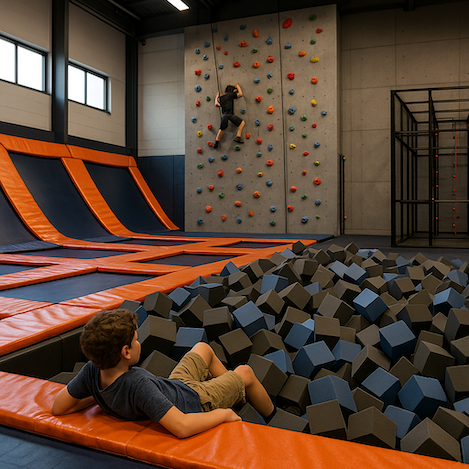
Indoor trampoline parks and climbing gyms promise a fun way for kids to burn off energy, especially during long Maine winters. But behind the foam pits, harnesses, and waiver kiosks at the front desk, there’s a serious legal question: if a child gets hurt, do those liability waivers really block a claim?
The short answer: No, waivers are not always bulletproof—especially for minors. Courts often look closely at what the business did (or failed to do), how the waiver was written, and who actually signed it. For Maine families, understanding these issues before and after an injury can make a big difference.
Why trampoline parks and climbing gyms push waivers so hard
Trampoline parks and climbing gyms know their activities carry risk. High-flying flips, wall runs, bouldering, and auto-belay routes all increase the chance of:
- Broken bones and sprains
- Concussions and head injuries
- Spinal injuries and paralysis in severe falls
- Internal injuries from awkward landings or collisions
National data and medical studies show emergency-room visits linked to trampoline parks have surged over the last decade, and serious injuries—including fractures and spinal trauma—occur at higher rates than many parents expect. (Numerous news reports and safety studies have flagged this trend across the U.S.)
To protect themselves, these businesses usually:
- Require a signed liability waiver before anyone can jump or climb
- Push parents to sign electronically, often on a tablet or kiosk
- Use broad language that tries to release the facility from “any and all claims”
The goal is clear: make families believe that if something goes wrong, they have no recourse.
What a waiver can (and often cannot) do
In many states, courts will sometimes enforce exculpatory clauses—agreements where you assume certain risks—if they are clear, conspicuous, and voluntary. But even in states that recognize waivers, there are important limits.
In general, a waiver usually cannot:
- Excuse gross negligence or reckless conduct
- Protect a business that violates safety codes or industry standards
- Override special protections that the law gives to children
- Cover dangers that the customer could not reasonably understand from the wording
So if a trampoline park:
- Ignores obvious hazards (torn pads, exposed metal, broken springs)
- Fails to supervise jump zones or control overcrowding
- Allows dangerous double-bouncing or flips in areas not designed for it
- Uses equipment it knows (or should know) is defective
…a court may decide the waiver does not shield the park from responsibility.
Special issues when the injured person is a child
For Maine families, the most important point is simple: children cannot sign away their own rights. A minor’s signature on a waiver typically has no legal effect. That leaves the parent’s signature as the main target for trampoline parks and gyms.
Even then, many courts nationwide have refused to let a parent’s waiver permanently wipe out a child’s right to recover for serious injuries. Judges often reason that:
- Kids deserve extra protection,
- Parents may feel pressured to sign in the moment, and
- It’s against public policy to let a for-profit business contract away a child’s safety.
Maine courts look carefully at public policy, clarity, and fairness when deciding whether to enforce releases. When a case involves a minor and a commercial recreational facility, a judge may be reluctant to enforce a blanket waiver that leaves an injured child with no remedy.
Bottom line: if your child gets hurt at a trampoline park or climbing gym, don’t assume the waiver ends the conversation.
What “assumption of risk” really means
Even without a waiver, businesses often argue that the child “assumed the risk” of getting hurt because they knew jumping or climbing could be dangerous. But that defense has limits too.
A participant only assumes the ordinary, obvious risks of an activity—like minor falls or bumps in a supervised environment. They do not assume:
- Hidden hazards (like a loose wall hold, a torn landing mat, or a malfunctioning auto-belay)
- Risks created by staff negligence (such as allowing overcrowding or failing to separate age groups)
- Dangerously designed layouts that funnel jumpers into one another
If your child’s injury stems from those kinds of failures, the law may treat it as negligence, not just bad luck.
Practical steps to take after a trampoline or climbing injury
If your child gets hurt, you can protect both their health and their legal rights by acting quickly:
- Get immediate medical attention.
Describe exactly how the fall or incident happened. Ask that all injuries—even “minor” ones like headaches or dizziness—be documented. - Report the incident in writing.
Ask the facility to create an incident report and request a copy. Write down the names of any staff members involved. - Collect evidence before it disappears.
- Take photos or video of the area where the injury occurred, including pads, walls, nets, and warning signs.
- Look for worn surfaces, gaps, exposed metal, or crowded zones.
- Get names and contact information for witnesses, including other parents.
- Preserve all paperwork.
Save your email confirmations, digital waiver, receipts, and any texts or messages from the facility. - Do not give a detailed recorded statement to the facility or insurer without legal advice.
Their questions often aim to lock you into a version of events that favors them.
How a Maine personal injury lawyer can help
A Maine personal injury firm such as Peter Thompson & Associates can step in to level the playing field. An experienced attorney can:
- Analyze the waiver you signed and identify weaknesses, ambiguities, and public-policy issues.
- Investigate the facility’s safety practices, training, and maintenance routines.
- Work with engineering and safety experts to evaluate whether the layout, staffing levels, and equipment met industry standards.
- Determine whether the park or gym violated building codes, industry guidelines, or manufacturer instructions.
- Pursue compensation for medical bills, future treatment, lost income for parents who miss work, and the child’s pain, suffering, and long-term limitations.
Because these cases often involve serious injuries with lifelong consequences, it’s important to understand the full scope of harm before agreeing to any settlement.
The takeaway for Maine families
When you walk into an indoor trampoline park or climbing gym, the waiver at the front desk can make it feel like you’re signing away all your rights. In reality, those documents are not always enforceable, especially when a child suffers a serious injury because the business cut corners on safety.
If your child gets hurt, don’t assume the waiver is the end of the story. Talk to a Maine personal injury lawyer who understands how courts treat exculpatory clauses, minor claims, and recreational injuries. You may discover that the “bulletproof” waiver isn’t nearly as strong as the facility wants you to believe.